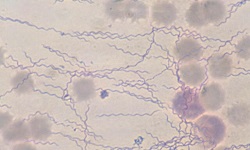
Rickettsia akari
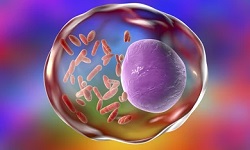
Rickettsia akari
Rickettsia akari is the causative agent of Rickettsial pox and is transmitted via mites. The incubation period is 7 days and symptoms include fever, myalgia, headache, and malaise.
Non Tuberculous Mycobacteria (NTM) / MOTT
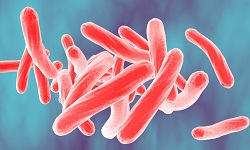
Non Tuberculous Mycobacteria (NTM) / MOTT
Non-Tuberculous Mycobacteria (NTM) / MOTT includes all mycobacterial species that do not belong to M. tuberculosis. It has approx 130 species of NTM present and is divided into 4 groups on the basis of their phenotypic characteristics growth rate and colonial pigmentation
Mycoplasma
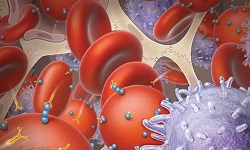
Mycoplasma
Mycoplasma is the smallest living free-living form. They are chemo-organotrophs and metabolism is fermentative while other species may be non-fermentative.
Listeria
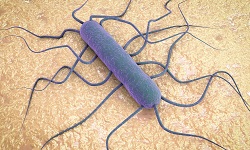
Listeria
Listeria spp. the causative agent of a rare and serious disease called listeriosis. It is caused by the consumption of food contaminated by the bacteria and the Risk groups include: pregnant women, newborns, the elderly, immunocompromised, etc
Leptospira interrogans complex

Leptospira interrogans complex
Leptospira interrogans complex includes leptospires that cause leptospirosis. The disease is commonly referred to as swap fever, mud fever or swine herd’s disease is the most common zoonosis in the world.
Lactobacillus spp.
.jpg)
Lactobacillus spp.
They are also found in foods such as milk, fermented milk products, cheese, beverages, etc.
Hepatitis

Hepatitis
Hepatitis viruses commonly infect the liver but differ in their morphology, replication pattern, and course of infection.
Corynebacterium spp.
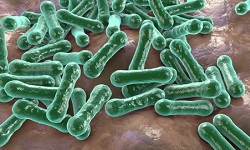
Corynebacterium spp.
Corynebacterium is Gram-positive, red in short-chain or clumps, aerobic or facultative anaerobe, non-motile, and is found as normal flora of humans in the skin, URT, and urogenital tract. Corynebacterium diphtheria is the most medically important species.
Chlamydia
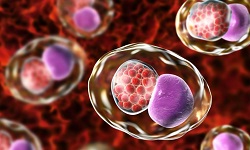
Chlamydia
Chlamydia is the most common pathogen associated with STI. i.e. Chlamydia trachomatis
Borrelia burgdorferi