Gardnerella vaginalis
.jpg)
Gardnerella vaginalis
Gardnerella vaginalis causes non-specific vaginitis, bacterial vaginosis, and cervicitis in association with anaerobic vaginosis. The condition is characterized by foul-smelling vaginal discharge with a fishy odor and acidic pH.
Bacterial vaginosis

Bacterial vaginosis
Bacterial vaginosis is an unpleasant but mild condition characterized by malodorous (unpleasant smell) vaginal discharge due to disbalance in normal vaginal flora. It is more commonly present in females of the age group (15-44).
Genital tract infections

Genital tract infections
Genital tract infections are mostly caused by resident microbial flora which becomes pathogenic due to immunosuppression, pH change, or excessive build-up of microflora. It can be differentiated into exogenous (STI) and endogenous.
Oral infections
.jpg)
Oral infections
Oral infections Oral infection in humans can manifest as Gingivitis, Anaerobic infection - Periodontitis, Salivary gland infection, Mandibular abscess. The manifestations may range from mild (Gingivitis) to severe (Mandibular abscess).
Central Spinal Fluid, CSF culture

Central Spinal Fluid, CSF culture
The central spinal fluid (CSF) is collected for the diagnosis of various disorders. It is tested for red blood cells (RBS), white blood cells (WBC), protein, glucose, or microbiological presence.
Meningitis

Meningitis
Infection within subarachnoid space or throughout the leptomeninges is called meningitis. The infection of meninges, which is life-threatening, is known as meningitis. In order for meninges to be infected Blood-brain barrier must be crossed.
Infective endocarditis

Infective endocarditis
Infective endocarditis is infective inflammation of the endocardium (inner lining of the heart) where especially heart valves are involved. The infection is caused by cardiac abnormalities such as congenital valvular disease, direct trauma from IV catheters, etc.
Blood Culture

Blood Culture
Blood culture is a diagnostic procedure used in the identification of etiological agents in systemic infection. It is mostly done in cases of bacteremia, septicemia, fungemia, viremia, or in cases suspected of infection by Salmonella spp. such as Salmonella enterica serotypes Typhi, Paratyphi A, Paratyphi B, and Paratyphi C.
Bacteremia, Septicemia
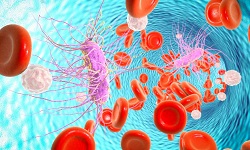
Bacteremia, Septicemia
Microbial invasion of the bloodstream resulting from any organism can have serious immediate consequences including shock, multiple organ failure, disseminated intravascular coagulation (DIC), and death.
Rotavirus
.jpg)