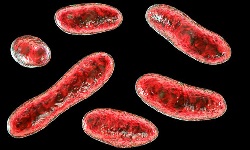
Bacteroides fragilis - Clinical manifestation, Bacteremia, Tissue Infection, Meningitis, Osteomyelitis
Clinical manifestation of Bacteroides fragilis
Bacteroides fragilis infection occurs throughout the body- usually localized or enclosed abscesses. Involves the cranium, periodontium, thorax, liver, peritoneum, and female genital tract. The hallmark of most but not all infections is the production of a foul odor.
Bacteroides fragilis is the most commonly encountered in anaerobic infections followed by Bacteroides thetaiotaomicron, and Bacteroides ovatus. Infections are often mixed with infections caused by other anaerobic and facultatively anaerobic organisms.
The clinical manifestation of Bacteroides fragilis includes:
Decubitus ulcer
Chronic sinusitis
Aspiration pneumonia
Bacteremia (secondary infection)
Meningitis (secondary infection)
Osteomyelitis (secondary infection)
Skin and soft tissue infection (most common => may lead to secondary infection)
Septic arthritis
* It is an opportunistic pathogen (Normal flora of the human body)
Bacteremia
Bacteroides fragilis is the most common anaerobe isolated from blood culture causing bacteremia. Detection of Bacteroides fragilis in blood indicates underlined infections. The source of Bacteroides fragilis in the blood is an intraabdominal abscess, soft tissue infection, etc. If left untreated, the mortality rate may be as high as 60%.
Skin and soft tissue infection
Bacteroides fragilis causes infection in the skin and soft tissues when they are damaged by some other causes i.e. trauma/surgery. It is mostly followed by pelvic or abdominal surgery.
Meningitis
Bacteroides fragilis is the rare cause of meningitis in absence of a brain abscess. It usually occurs in neonates having congenital malformation and bowel perforation.
Osteomyelitis
Osteomyelitis due to Bacteroides fragilis generally occurs secondary to diabetes, trauma, and spread from contagious foci. The clinical symptoms associated are tenderness, warmth at the site of infection, irritability, and fatigue.
.jpg)
.jpg)