Lower Respiratory Tract Infection, LRTI - Introduction, Introduction, Etiological agents
Introduction to Respiratory Tract
Anatomically, the human respiratory tract can be divided into two major areas:
The upper respiratory tract (URT)
consists of all structures above the larynx i.e. nasal cavity, pharynx (nasopharynx, oropharynx, laryngopharynx)
Lower respiratory tract (LRT)
The air flows through the trachea to the bronchi and bronchioles and then terminates in the alveolar spaces (alveoli), where gas exchange occurs. 300 million alveoli are estimated to be present in the lungs. Alveoli are primary microscopic gas exchange structures of the respiratory tract.
Etiological agents of Lower Respiratory Tract Infection (LRTI)
Pathogenic microorganisms can cause disease in the respiratory tract in a limited no. of ways. The establishment of infection after exposure is an exception rather than a rule. When micro-organisms are successful in establishing an infection, it is not only dependent on pathogenicity but also on the host's ability to prevent the infection.
If micro-organisms have been isolated from normally sterile sites by sterile procedures (that avoid contamination with normal flora) should be identified and reported to the clinician.
Many species of bacteria, viruses, and fungi are considered human pathogens.
Some common pathogens of the respiratory tract, especially Lower Respiratory Tract Infection (LRTI), include:
Corynebacterium diphtheriae (toxin-producing)
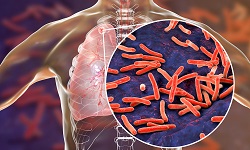
Mycobacterium tuberculosis
Mycobacterium pneumoniae
Chlamydia trachomatis
C. pneumoniae
Bordetella pertussis
Legionella spp.
Nocardia spp.
β-hemolytic streptococci
Coccidioides immitis
Acinetobacter spp
Blastomyces dermatitidis
S. aureus
Streptococcus pneumoniae
Neisseria miningitidis
Mycoplasma spp.
Haemophilus influenzae
H. parainfluenzae
Moraxella catarrhalis
Actinomyces spp.
Cryptococcus neoformans
Histoplasma capsulatum
C. albicans
Viruses
RSV
human metapneumovirus
adenovirus
HSV (Herpes Simplex Virus)
Severe acute respiratory syndrome
Enterovirus
Hantavirus
Influenza and parainfluenza virus
Rhinovirus
Coronaviridae
Rare/opportunistic pathogens of Lower Respiratory Tract Infection (LRTI) include:
Bacillus anthracis
Yersinia pestis
Coxiella burnetii
Brucella spp.
Salmonella spp.
Pasteurella multocida
Klebsiella rhinoscleromatis
Varicella – Zoster virus
Non-hemolytic Streptococci
Coagulase-negative Staphylococci (CoNS)
Staphylococci
Micrococci
Corynebacterium spp.
Neisseria spp. except (N. gonorrhoea and N. meningitidis)
Lactobacillus spp.
Veillonella spp.
Spirochetes
Campylobacter spp.
Selenomonas
Wolinella
Parasites





.jpg)