Vaccine
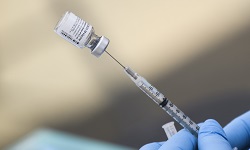
Vaccine
The purpose of a vaccine is to induce an immune response and establish long-term immunological memory which protects if the virus ever invades the body.
Bio-terrorism

Bio-terrorism
Bio-terrorismBio-terrorism is the deliberate use of microbial agents or their toxins as weapons against non-combatants outside the settling of armed conflict (COHEN).
Lower Respiratory Tract Infection, LRTI
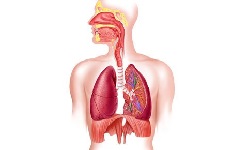
Lower Respiratory Tract Infection, LRTI
Lower Respiratory Tract Infections (LRTI) is the infection of the bronchi, bronchiole, and alveoli by many species of bacteria, viruses, and fungi.
Urinary Tract Infection, UTI

Urinary Tract Infection, UTI
Urinary Tract Infection (UTI) is characterized as being upper (U-UTI) or lower (L-UTI) based on the anatomical location of the infection. L-UTI encompasses the bladder and urethra and may affect the urethra (urethritis), the bladder (cystitis), or the case of the male prostate (prostatitis).
Leprosy, Hansen’s diseases

Leprosy, Hansen’s diseases
Leprosy / Hansen’s disease is a chronic granulomatous disease primarily affecting the skin, peripheral nerves, and mucosa of the upper respiratory tract (URT). It is caused by Mycobacterium leprae, an NTM (non-tuberculosis mycobacteria)
Tuberculosis
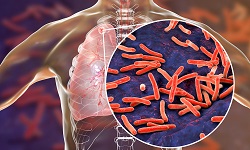
Tuberculosis
Tuberculosis (TB) is a highly infectious disease caused by Mycobacterium tuberculosis. It typically attacks the lungs, but can also affect other body parts.
Eye infection
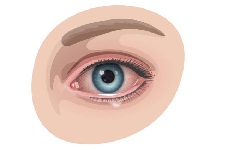
Eye infection
Eye infection is the condition in which infection occurs when bacteria, fungi, parasites, or viruses invade the eyes.
Ear infection
.jpg)
Ear infection
The infection of the ear is known as otitis and is classified into 3 types- Otitis externa, Otitis media, Otitis interna. Normal microbial flora of the ear includes- Pneumococci, Streptococcus pneumoniae, Propionibacterium acnes, Staphylococcus aureus, Enterobacteriaceae, etc.
Pelvic Inflammatory Disease, PID
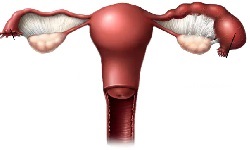
Pelvic Inflammatory Disease, PID
Pelvic Inflammatory Disease (PID) is an infection that results when cervical micro-organisms travel upward to the endothelium (inner membrane of the uterus), fallopian tube, cervix, and ovaries.
Mycoplasma hominis
