Bacteremia, Septicemia - Types, Transient, Continuous, Intermittent Bacteremia
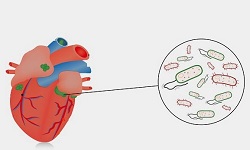
The presence of viable bacteria in blood as indicated by blood culture is known as bacteremia. Bacteremia in which bacteria have multiplied, produced toxins, and clinical syndromes have gotten severe is known as septicemia.
Type of bacteremia, septicemia
On the basis of the duration of infection, bacteremia can be divided into three types - Transient bacteremia, Continuous bacteremia, and Intermittent bacteremia.
Transient bacteremia
People experience transient bacteremia in conditions such as:
teething infants and people having dental procedures have oral flora gain entry to the bloodstream through breaks in gums
devices and instruments inserted through the contaminated mucosal surface
surgery involving non-sterile sites
These circumstances also may result in septicemia although bacteria are cleared from the blood by leukocytes.
Continuous bacteremia
Bacteria are present/released in blood at a constant rate and occur in conditions such as:
Septic shock
bacterial endocarditis
endovascular infection
It may also occur during the early stages of specific infections including typhoid fever, brucellosis, and leptospirosis as the bacteria are continuously present in the bloodstream.
Intermittent bacteremia
It occurs in patients with undrained abscesses. Moreover, it also occurs in patients with meningitis, pneumonia, pyogenic arthritis, and osteomyelitis during the early course of the disease. In such cases, bacteria are released into the blood approximately 45 minutes before the febrile episode.
Symptoms of septicemia are fever, chills, and malaise. These are caused by the presence of invading microorganisms and toxins produced by these microorganisms.
The older the patient, the greater the risk of the rate of mortality as a result of septicemia.
Risk factors
The risk factors for intermittent bacteremia include patients suffering from UTI, endocarditis, Musculoskeletal infections, CNS infection, etc, Individuals with an immunosuppressive stage (drug use, HIV), or have gone through extensive surgical procedures, etc also fall on risk factors.
Clinical syndromes in such cases include:
Chills and fever
hypotension
tachypnea (rapid breathing)
delirium
stupor (state of near unconsciousness or insensitivity)

.jpg)


.jpg)